Summary
Yes, women can get hair transplants. The best candidates have a stable hair-loss pattern and healthy donor hair. Hair transplants often work best for traction alopecia and female pattern hair loss. A hair transplant for women may need medical treatment first. Results depend on diagnosis, planning, and aftercare.
Introduction
According to a 2024 study, more than one-third of women experience clinically significant hair loss during their lifetime. That is why more women now ask whether a hair transplant can help.
Hair loss in women can feel especially personal. It may affect parting lines, temples, or overall density. Many women keep searching for a lasting solution, not another temporary fix.
This blog explains when a hair transplant for women can work, who may qualify, and what to expect during treatment. It also helps you judge whether a hair transplant clinic near me is worth visiting.
Can women get hair transplants?
Yes. The American Academy of Dermatology says men and women of all races can be good candidates for a hair transplant. The key requirement is enough healthy donor hair.
Women often choose transplants for a widening part, thinning crown, temple recession, or hair loss caused by traction. These patterns can be improved when the donor area is strong.
The procedure is not only for men with receding hairlines. A well-planned hair transplant for women can restore density and create a more balanced look.
Who is a good candidate for a hair transplant women treatment?
A good candidate usually has stable hair loss, realistic expectations, and enough thick donor hair.
Women with female pattern hair loss or traction alopecia may respond well.
Women with diffuse thinning need careful assessment first. If the donor area is weak everywhere, surgery may not give a strong result. A dermatologist or hair-restoration surgeon should confirm that before treatment.
Which causes of hair loss respond best?
Not every type of hair loss should be treated the same way. Some causes need medication first. Others may be better suited to surgery.
The best-known transplant candidates include:
- Female pattern hair loss
- Traction alopecia
- Localised thinning after scarring or injury
- Eyebrow or hairline restoration in selected cases
Alopecia areata, active shedding, hormone-driven loss, or inflammatory scalp disease may need different treatment first.
For women in Mumbai, Thane, and nearby cities, this step is important. A hair transplant clinic near me should first identify the cause of thinning, not rush into surgery.
How does the procedure work for women?
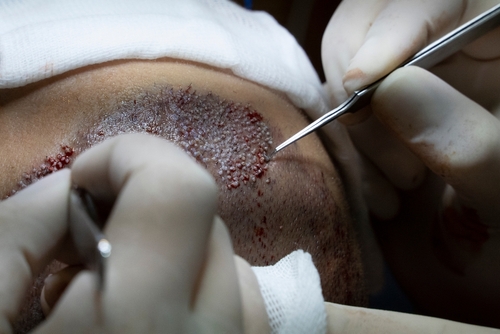
A hair transplant usually moves healthy follicles from the donor zone to thinning areas. The transplanted hair keeps growing after healing.
Most women are treated with FUE-style extraction or another grafting approach. The method depends on the pattern of loss, donor quality, and hairstyle goals.
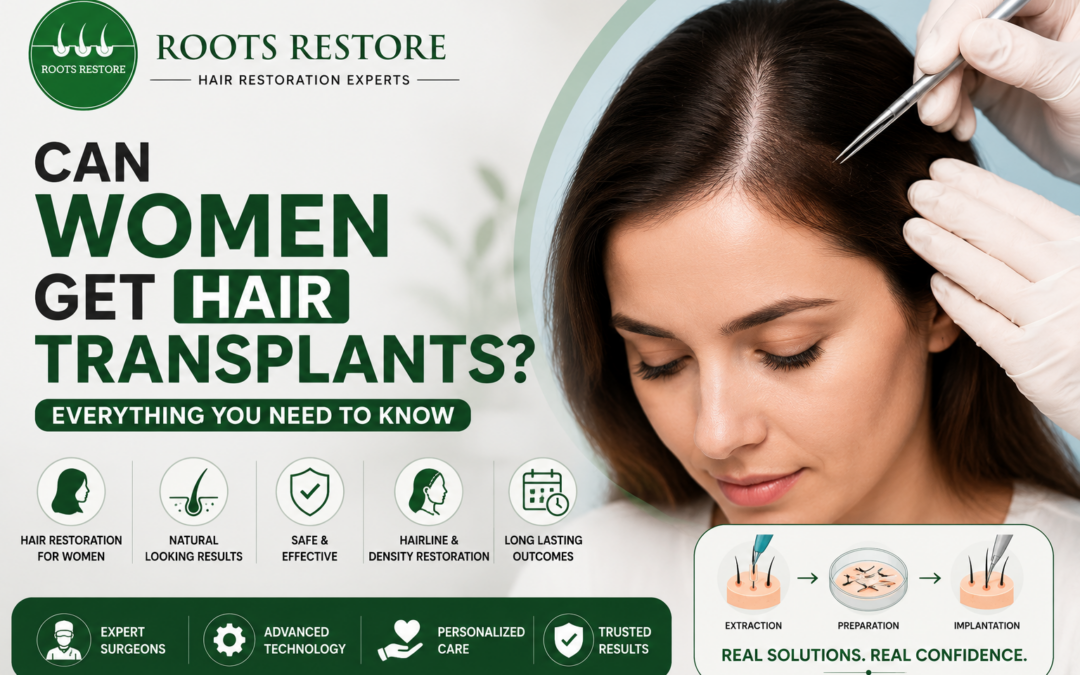
The process generally includes:
- consultation and scalp analysis
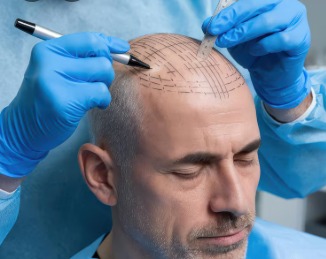
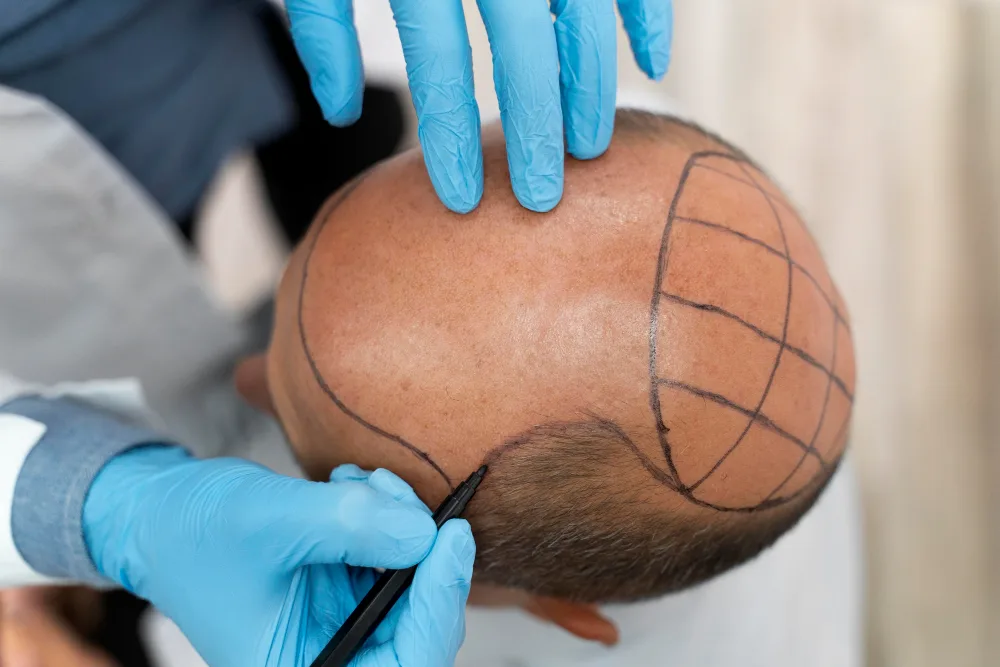
- donor-area planning
- graft extraction
- placement into thinning zones
- aftercare and follow-up
Natural results depend on angle, density, and placement. That is why doctor skill matters so much in a hair transplant for women.
What should women expect during recovery?
Recovery is usually manageable, but patience matters. The scalp may look red or swollen at first. Transplanted hairs may shed before new growth starts. That is normal.
Most women begin noticing early change over the following months. Full cosmetic improvement takes longer. The exact timeline depends on healing, graft survival, and hair-growth cycle timing.
Good aftercare helps a lot. Follow the clinic’s instructions closely, avoid rubbing the area, and attend follow-up visits. That improves comfort and supports better results.
How do you choose the right hair transplant clinic near me?
Start with diagnosis. A trustworthy clinic should explain why your hair is thinning and whether surgery is the right next step.
Ask these questions in consultation:
- Do I have enough donor hair?
- Is my hair loss stable?
- Will medication help first?
- What result is realistic for my hair type?
- Who performs the procedure?
This matters even more for women, because diffuse thinning can be tricky. A proper hair transplant clinic near me should be comfortable saying no when surgery is not the right answer.
If you live in Mumbai or Thane, compare surgeon experience, female case examples, and aftercare support. Local convenience helps, but clinical judgement matters more.
FAQs
Can women really get hair transplants?
Yes. Women can get hair transplants if they have enough healthy donor hair and a stable pattern of loss.
Is hair transplant for women permanent?
Yes, transplanted follicles are usually permanent. Once they settle into the new area, they continue to grow like the donor hair.
Which women are best suited for a hair transplant?
Women with female pattern hair loss or traction alopecia often make the best candidates. A stable donor area and realistic goals are also important.
Can a hair transplant help with diffuse thinning?
Sometimes, but not always. Diffuse thinning needs careful evaluation first, because the donor area may also be weak. A specialist should assess this before surgery.
Should I search for a hair transplant clinic near me?
Yes, but only after checking experience with women’s hair loss. A nearby clinic is useful, yet correct diagnosis and planning matter more than location.
Conclusion
Yes, women can get hair transplants, but the right diagnosis comes first. The best results usually happen when the hair loss pattern is stable and the donor hair is strong.
A hair transplant for women can improve density, balance, and confidence when planned properly. For women in Mumbai, Thane, and nearby areas, the safest next step is a specialist consultation at Roots Restore.