
Crown and Vertex Transplant
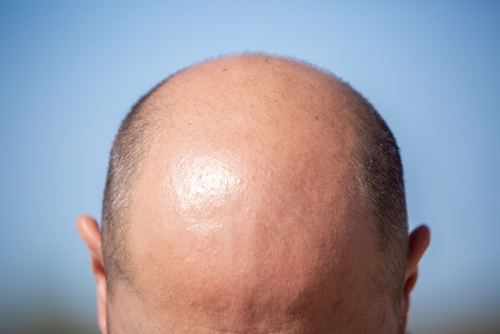
The crown needs more grafts per area than the front because of how hair whorls around it. With limited donor hair, the crown is often given lower priority than the front.
At Roots Restore, Thane West, the design and the creation of the recipient sites (slits) are carried out by Dr. Prratyush More personally (MBBS, DDVL; Maharashtra Medical Council Reg. No. 2011/11/3382, status: Active).
What Is a Crown and Vertex Transplant?
A crown (vertex) transplant is FUE hair transplantation to the back-top of the scalp, using your own donor hair. Medical treatment often helps the crown and may be tried first.
Planning points
- Transplanting the crown without considering future loss can leave an isolated island of hair
- Medical treatment often helps the crown and may be tried first
Who May Be Suitable for a Crown Transplant
A crown transplant may suit:
- Stable crown thinning with good donor hair
- Patients on medical treatment for the crown
Who should not have it, or should wait
- Rapidly progressing hair loss not yet treated medically
- Insufficient donor hair
- Active alopecia areata or active scarring alopecia
- Uncontrolled diabetes, high blood pressure or heart disease
- Bleeding disorders
- Expectations that cannot be met with the donor hair available
- Very young patients with early, rapidly changing loss – usually advised to wait
What a Crown Transplant Can and Cannot Do
It can
Improve crown coverage.
It cannot
Guarantee full density in advanced loss.
Results vary between people and are not guaranteed.
Before Your Appointment
- Stop smoking at least 2 weeks before and after (it impairs healing)
- No alcohol for 1 week before
- Aspirin, fish oil, vitamin E and other supplements that increase bleeding: stop only as advised
- Stop minoxidil 1 week before, unless advised otherwise
- Wash hair on the morning of surgery; eat breakfast
- Wear a button-front shirt; arrange someone to take you home
Aftercare Timeline
- Day 0–3: Sleep with head raised (about 45°). Do not touch or scratch grafts. Saline sprays as advised. Forehead swelling may appear on day 2–3.
- Day 3–10: Gentle hair wash as taught at the clinic. Crusts loosen and fall by day 10–14. Avoid helmets, caps that rub, sun and sweating.
- Weeks 2–4: Return to light exercise after 2 weeks, strenuous exercise after 3–4 weeks; swimming after 4 weeks.
- Weeks 2–6: Most transplanted hairs shed – this is expected.
- Months 3–18: New growth from about 3–4 months; final result at 12–18 months. Continue medical treatment for native hair.
- Call the clinic if: Bleeding that does not stop with pressure, spreading redness, pus, fever or severe pain.
Number of Sessions and Timeline
- May need a separate or second session
Possible Side Effects
- Common: Swelling of forehead, numbness, tightness, crusting, itching
- Less common: Folliculitis (pimples), temporary shock loss of native hair
- Uncommon: Infection, cysts, prolonged numbness, visible donor thinning
- Rare: Poor graft growth, scarring, unnatural appearance needing correction, tissue necrosis
Fees: FUE hair transplant consultation: ₹2,500. Surgery is charged per graft, currently ₹35–₹90 per graft depending on technique and case; a written estimate stating what is included is given after examination.
Treating doctor: Dr. Prratyush More, MBBS, DDVL · Maharashtra Medical Council Reg. No. 2011/11/3382 · Registration status: Active
General information only; not a substitute for consultation. Outcomes vary; no result is guaranteed.
Crown Transplant: Step by Step
Consultation and trichoscopy
History, scalp and donor examination, graft estimate, hairline proposal and long-term plan; options other than surgery discussed.
Pre-operative tests
Blood tests (e.g. blood count, sugar, clotting, infection screen) and medicine review.
Surgery day – planning
Recipient area marked and agreed with Dr. More; standard photographs for the record; consent confirmed.
Local anaesthesia
Donor and recipient areas numbed with injections; this is the most uncomfortable part.
Extraction
Follicular units removed one by one with a micro-punch; grafts kept in a cooled holding solution.
Site creation and implantation
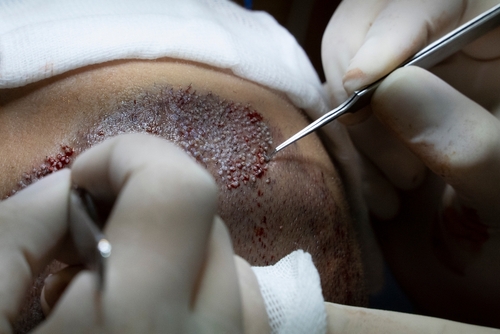
Small sites (slits) made by Dr. More at the angle and direction of natural hair; grafts placed.
Dressing and discharge
Donor area dressed; written instructions; same-day discharge.
Follow-up
Review at 24–48 hours, then at 1, 3, 6, 9 and 12 months with trichoscopy.
Hair Loss Treatments

Call Us
Frequently Asked Questions
Is it painful?
The local anaesthetic injections are uncomfortable; after that, most patients feel pressure rather than pain. Soreness for a few days is managed with tablets.
How long does surgery take?
Usually 6–8 hours for a large session, with breaks.