Expert Alopecia Areata Treatment in Thane–Mumbai | ROOTS RESTORE
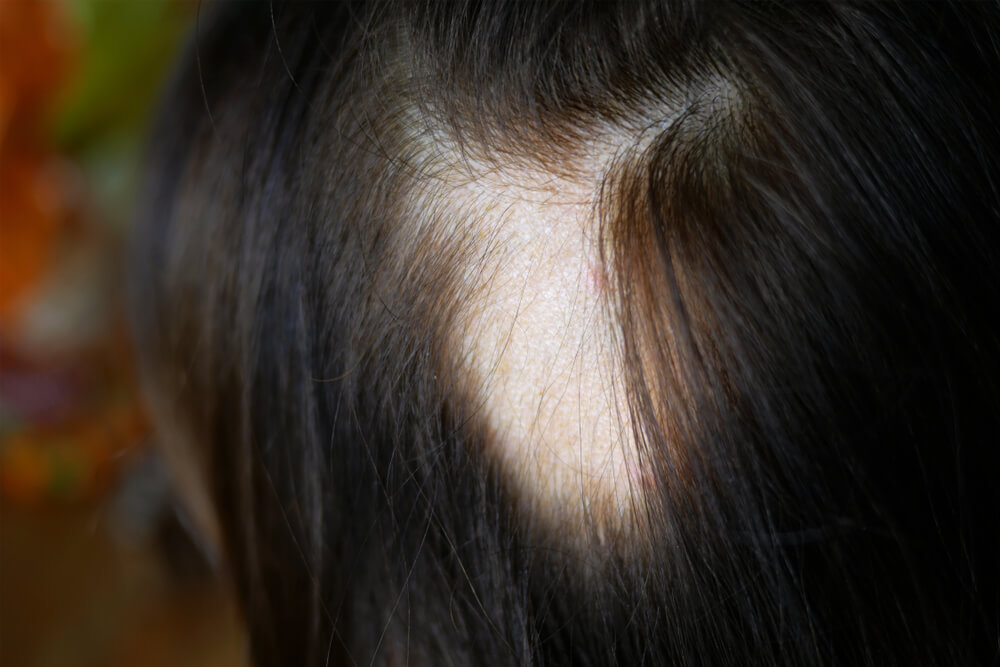
Alopecia Areata is an autoimmune hair loss condition that causes sudden, unpredictable patchy hair loss on the scalp, beard, eyebrows, or other body areas. Although emotionally distressing, it is a highly treatable condition. At ROOTS RESTORE, Thane–Mumbai, we offer evidence-based, dermatologist-supervised Alopecia Areata treatment protocols designed to suppress the autoimmune response, halt hair loss progression, and stimulate natural hair regrowth.
Under the expert care of Dr. Prratyush More — board-certified dermatologist and internationally trained hair restoration specialist — each patient receives a precisely tailored Alopecia Areata treatment plan. We combine the latest immunological therapies with comprehensive scalp care and patient support to deliver the best possible outcomes.
What is Alopecia Areata?
Alopecia Areata is an organ-specific autoimmune disorder in which the body’s own immune system mistakenly attacks healthy hair follicles, disrupting the normal hair growth cycle and causing hair to fall out in round or oval patches. It is not contagious, not caused by poor hygiene, and not a result of stress alone — though stress can trigger or worsen flares in genetically predisposed individuals.
Alopecia Areata affects approximately 2% of the global population and can occur at any age, in both men and women. The condition ranges from small, single patches (Alopecia Areata Patchy) to complete scalp hair loss (Alopecia Totalis) or total body hair loss (Alopecia Universalis). While spontaneous remission is possible, untreated alopecia areata often progresses — making early expert intervention at ROOTS RESTORE essential for the best treatment outcomes.
Symptoms & Signs of Alopecia Areata
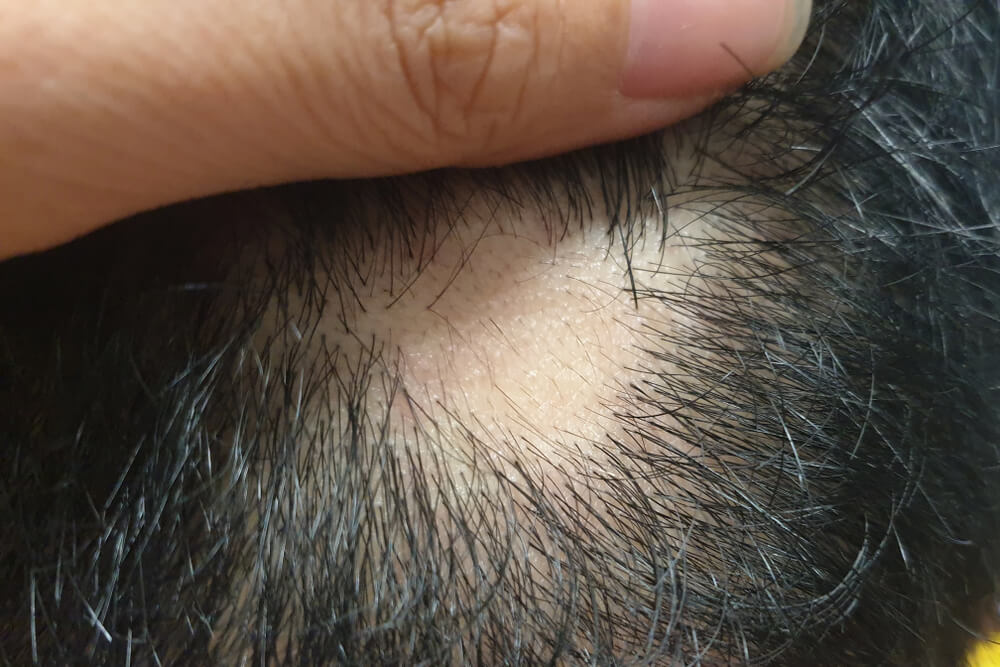
Male hair transplant may be the right solution if you are experiencing:
- Receding frontal hairline
- Crown baldness or significant thinning
- Visible scalp due to hair thinning
- Uneven hair density across the scalp
- Loss of confidence caused by progressive hair loss
Our specialists conduct a thorough scalp evaluation and hair analysis before recommending the most suitable treatment plan.
Benefits of Alopecia Areata Treatment at ROOTS RESTORE
Accurate Diagnosis & Severity Classification
Expert trichoscopy and clinical evaluation precisely classifies your Alopecia Areata subtype and severity, ensuring the most appropriate treatment protocol is selected.
Immune Response Suppression
Targeted immunomodulatory therapies (intralesional corticosteroids, topical immunotherapy, systemic agents) effectively suppress the autoimmune attack on hair follicles.
Stimulated Natural Hair Regrowth
Approved treatment protocols reactivate suppressed hair follicles, leading to visible hair regrowth within 4–8 weeks of initiating therapy in most patients.
Prevention of Patch Spread & Progression
Timely treatment arrests the spread of existing patches and reduces the risk of progression to more extensive hair loss (Alopecia Totalis/Universalis).
Combination Therapy for Resistant Cases
For recurrent or treatment-resistant Alopecia Areata, we employ advanced combination protocols including GFC therapy, contact immunotherapy, and systemic agents.
Ongoing Support & Long-Term Monitoring
Regular follow-up care, psychological support guidance, and treatment adjustments ensure the best possible long-term outcomes and quality of life.
Why Choose ROOTS RESTORE for Alopecia Areata Treatment in Mumbai
- Dr. Prratyush More — Experienced Dermatologist Specializing in Alopecia
- Advanced Trichoscopy for Accurate Alopecia Areata Diagnosis
- Complete Range of Evidence-Based Immunomodulatory Treatments
- Combination Protocols for Moderate-to-Severe & Recurrent Cases
- GFC Therapy Integration for Enhanced Hair Regrowth
- Compassionate, Patient-Centered Care & Honest Counseling
Our Alopecia Areata Treatment Process
Consultation & Hair Analysis
Comprehensive evaluation of your hair loss history, autoimmune background, family history, associated conditions, and current medications.
Trichoscopy & Diagnostic Workup
High-magnification dermatoscopy to confirm Alopecia Areata diagnosis, assess activity, and evaluate extent. Blood tests to rule out thyroid and other autoimmune associations.
Severity Classification & Treatment Planning
Precise classification of Alopecia Areata type (patchy, totalis, universalis) and designing a stepwise, evidence-based treatment protocol.
Treatment Initiation
Commencing prescribed therapy: intralesional corticosteroid injections for patchy cases, topical agents, GFC therapy, or systemic immunotherapy for advanced presentations.
Recovery & Follow-Up
Scheduled follow-ups to assess regrowth response, adjust treatments, manage relapses proactively, and support long-term hair health maintenance.
Hair Loss Treatments

Call Us
Frequently Asked Questions
Can Alopecia Areata be permanently cured?
While there is currently no universal permanent cure, Alopecia Areata is highly treatable. Most patients with patchy Alopecia Areata achieve significant to complete hair regrowth with appropriate treatment. Our protocols focus on inducing remission, preventing relapse, and managing recurrences effectively.
Is Alopecia Areata caused by stress?
Stress can be a trigger for Alopecia Areata flares in genetically predisposed individuals, but stress alone is not the cause. It is fundamentally an autoimmune condition — the immune system attacks hair follicles regardless of stress levels.
How quickly will my hair grow back with treatment?
In actively treated Alopecia Areata, initial hair regrowth (fine vellus hairs) typically becomes visible within 4–8 weeks of treatment initiation. Terminal (pigmented) hair regrowth is usually apparent within 3–6 months.
Is Alopecia Areata contagious?
No. Alopecia Areata is an autoimmune condition and is not contagious in any way. It cannot be transmitted through contact, shared items, or any other means.
What happens if Alopecia Areata is left untreated?
Untreated Alopecia Areata can progress from small patches to extensive hair loss covering the entire scalp (Alopecia Totalis) or the entire body (Alopecia Universalis). Early treatment significantly improves prognosis and prevents progression.